

Many homeowners wonder if septic additives really help — or if a healthy system already has what it needs.
It’s the age-old question: Do septic additives really work?
I’ve been asked this a lot over the years. I’ve also heard some very strong opinions on the subject — and they’re all over the map.
Some people swear by the generic products you can buy at the grocery store, using them religiously exactly as directed on the box. Others insist the only thing that works is throwing rotten meat into the septic tank, claiming that if you do it right, you’ll never have to pump your system.
If that were true, my entire industry would be in BIG trouble.
I once even met a gentleman who proudly called me to pump his tank for the first time in nearly 50 years. He told me his “secret” was throwing roadkill into the septic tank whenever he found it.
Yes… really.
And no — please don’t do that.
The reality is, the wide range of answers usually comes down to one thing:
Most people don’t fully understand what septic additives actually are, what they do, and what problems they can realistically solve.
So before answering whether they work, it helps to first clear that up.
What Are Septic Additives?
Septic additives are products that are introduced into a septic system — usually flushed down a toilet or poured into a drain — with the goal of helping the system function more efficiently.
They typically come in powder, liquid, tablet, or packet form and are marketed as a way to:
Break down solids faster
Reduce odors
Improve overall system performance
Most additives fall into two main categories.
Biological additives contain bacteria and enzymes intended to support the natural breakdown of waste.
Chemical additives rely on solvents or harsh compounds designed to break down materials more aggressively.
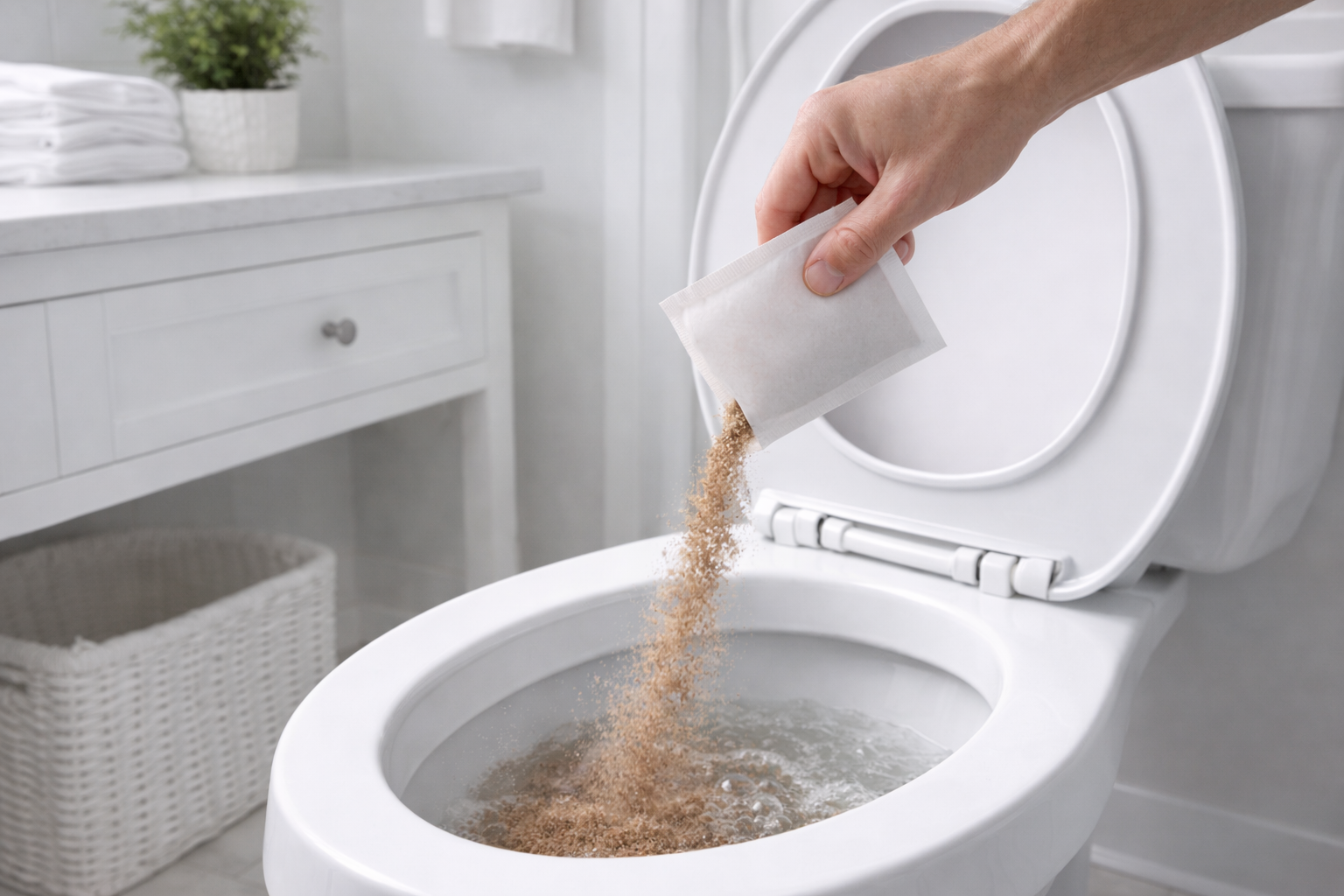
Most septic additives are designed to be added right from inside the home — typically by flushing them down a toilet or sink drain
How Do Septic Additives Work?
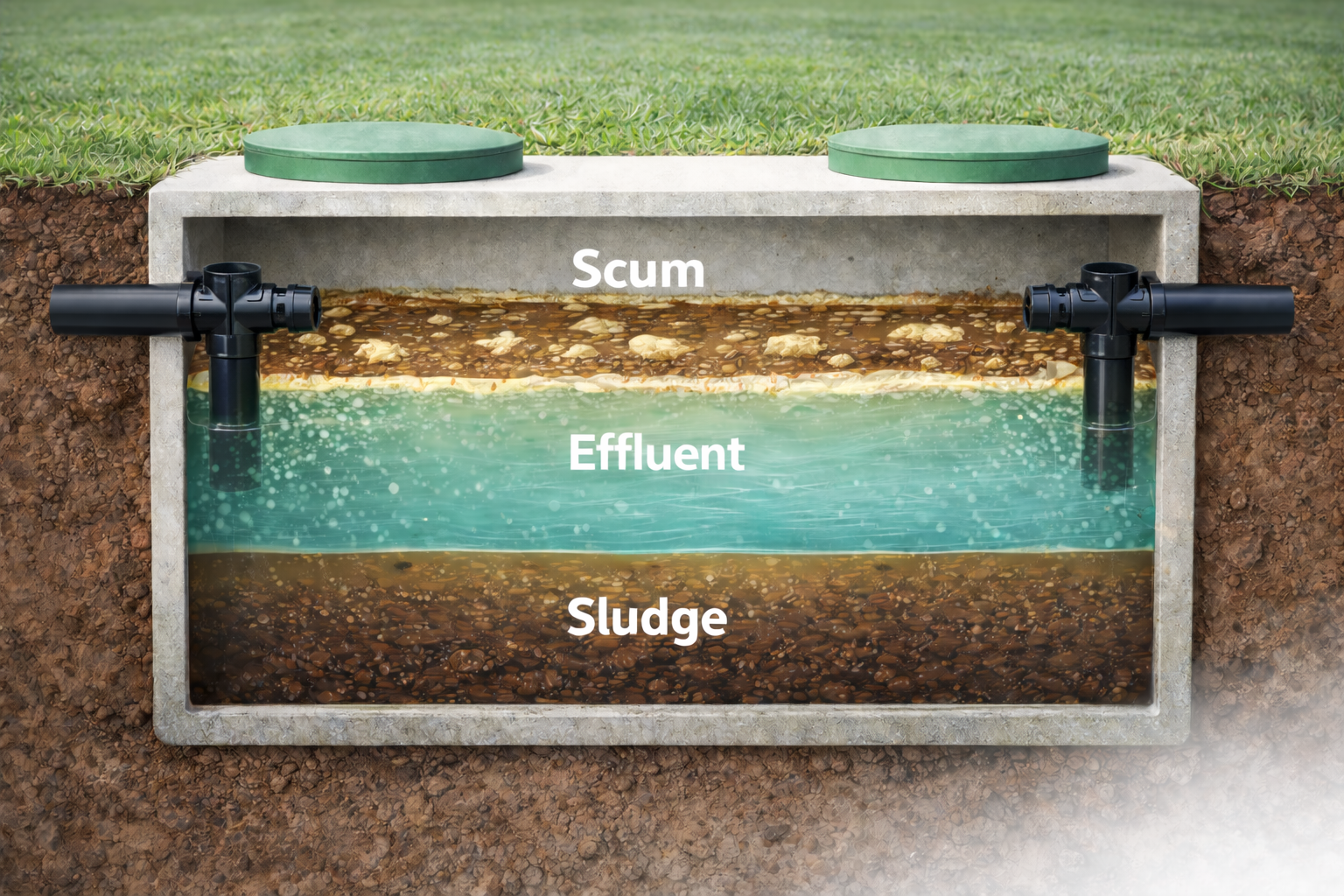
To understand how additives work, you first need to understand how a septic system works on its own.
A septic tank already relies on naturally occurring bacteria to break down organic waste. These bacteria are introduced naturally through everyday household wastewater — meaning a healthy septic system already has what it needs to function properly.
Biological additives aim to provide a boost by introducing additional bacteria or enzymes that help support this natural process.
Chemical additives, however, work differently. They attempt to break down materials through chemical reactions.
This is where caution is important.
Chemical products can disrupt the natural bacterial balance inside the tank and may even allow suspended solids to move into the drain field, where they can contribute to clogging and long-term system damage.
For this reason, I do not recommend chemical septic additives.
What Issues Do Septic Additives Actually Resolve?
This is where I see the most misconceptions.
Septic additives are not a solution to a malfunctioning system.
They are not an alternative to:
A septic pump-out
A plumber
A system inspection
A repair
They will not fix a full tank, blocked piping, a failing drain field, or structural issues within the system.
Additives should be viewed — at best — as a preventative or supportive measure, not a repair tool.
What Actually Keeps a Septic System Healthy?
From my experience working with septic systems across Antigonish, Guysborough County, and surrounding areas, the biggest factors in long-term septic health are very simple.
Regular pumping.
Over time, solids accumulate in every septic tank. That’s normal and unavoidable. Removing that buildup through scheduled pumping is the single most important step in preventing costly problems.
Being mindful of what goes down the drain.
Limiting grease, wipes, harsh chemicals, and non-biodegradable materials plays a huge role in how well a system performs over time.
Managing water usage.
Too much water entering the system too quickly can overwhelm the tank and push solids toward the drain field, which is where long-term damage often begins.
These factors will always have a far greater impact than any product you can add.
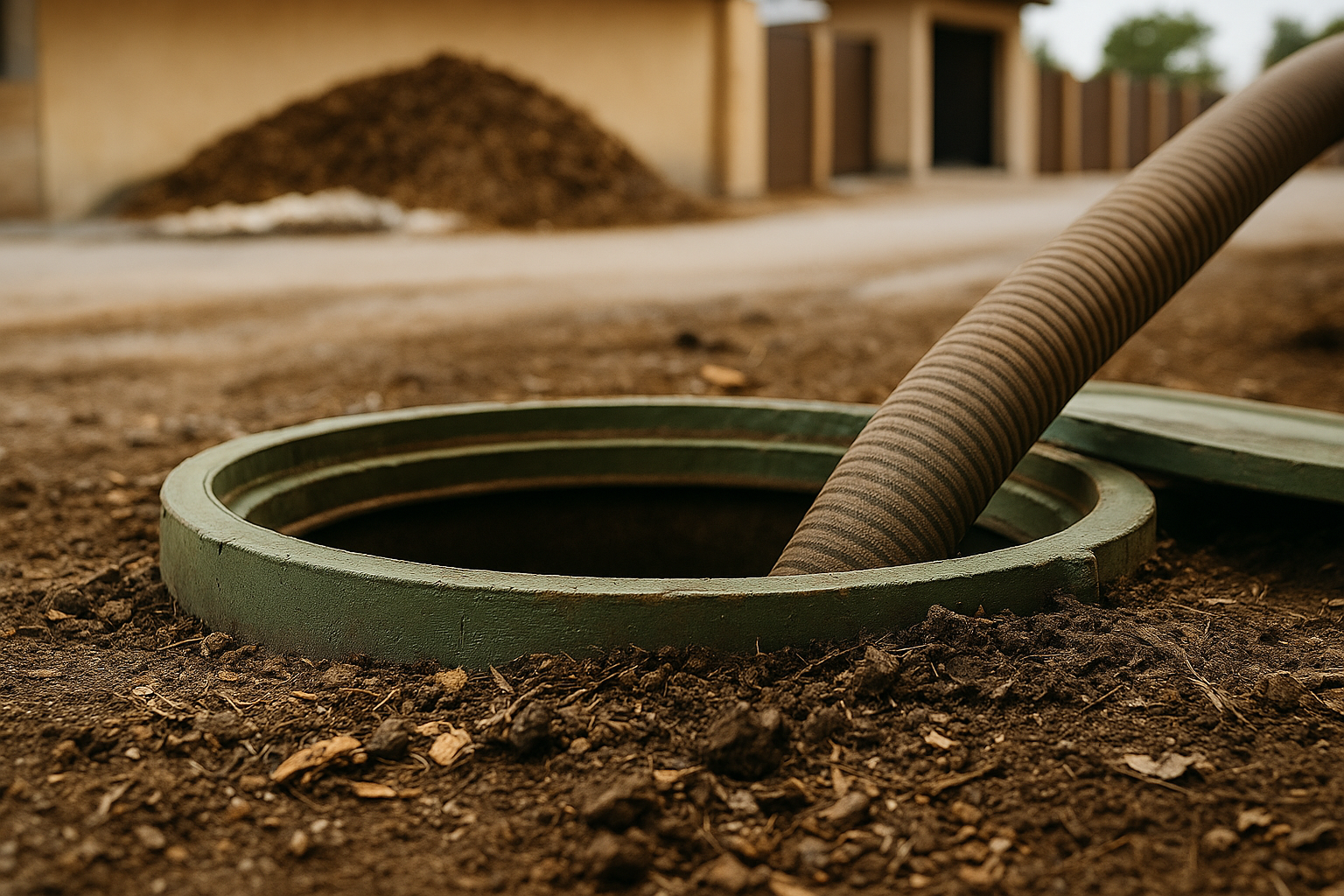
Removing that buildup through scheduled pumping is the single most important step in preventing costly problems.
My Thoughts on Septic Additives
So do I recommend using septic additives?
The honest answer is — it depends.
I do not recommend chemical additives due to their potential to disrupt the natural biology of a septic system.
When it comes to biological additives, the reality is more nuanced.
In many cases, a septic system is already perfectly healthy and does not require any additional help. The natural bacteria inside the tank are doing exactly what they are supposed to do.
In other situations, outside influences may affect that natural balance. Things like hard water conditions, heavy medication use within a household, frequent disinfectant use, municipal water treatment chemicals, or high water usage can all impact the biological environment inside a tank.
In those cases, additives alone may not be enough to offset those challenges.
But there are also situations where a biological additive can provide a modest boost to the system’s natural processes. That boost may help reduce the likelihood of minor issues developing and can provide homeowners with an extra layer of peace of mind.
Septic additives are relatively inexpensive, so it often comes down to personal comfort level. For homeowners who want reassurance that they are doing everything reasonably possible to support their system, they can be a practical preventative step.
Whenever I am on site and see conditions where I believe a biological additive could genuinely be beneficial, I will always let the homeowner know.
The Bottom Line
Septic additives are not a miracle solution, and they are not a substitute for proper septic maintenance.
They will not fix a failing system, eliminate the need for pumping, or solve structural or drainage problems.
But in certain situations, biological additives can provide a modest supportive benefit.
Think of them as an optional preventative measure — not a repair tool.
At the end of the day, the most important factors in protecting your septic system will always be:
Regular pumping
Responsible water use
Being careful about what goes down your drains
Everything else is secondary.
Final Thought
If you are unsure about the condition of your septic system, or whether an additive makes sense in your particular situation, the best step is simply to ask.
Every septic system is different, and good advice should always be based on what is actually happening underground — not guesswork.
That is exactly what I am here to help with.
Here for your peace of mind.
- Mark