

Buying a home is exciting — but what’s underground matters just as much as what you can see.
After years of working hands-on with septic systems, one thing has become very clear to me: most serious septic problems don’t start suddenly — they develop quietly, out of sight, and often long before anyone realizes there’s an issue.
That’s why septic inspections are so important, especially when buying a home.
A proper septic inspection looks at the entire system — not just whether wastewater is flowing today, but whether the system is structurally sound, functioning as designed, compliant with regulations, and appropriate for the home and the people living in it.
A Septic System Is More Than Just a Tank
A septic system is made up of several critical components that all need to work together:
The septic tank
The inlet and outlet piping
Internal components such as baffles and filters
The drainfield (leach field)
Problems can occur in any of these areas, and I’ve seen issues in all of them over the years.
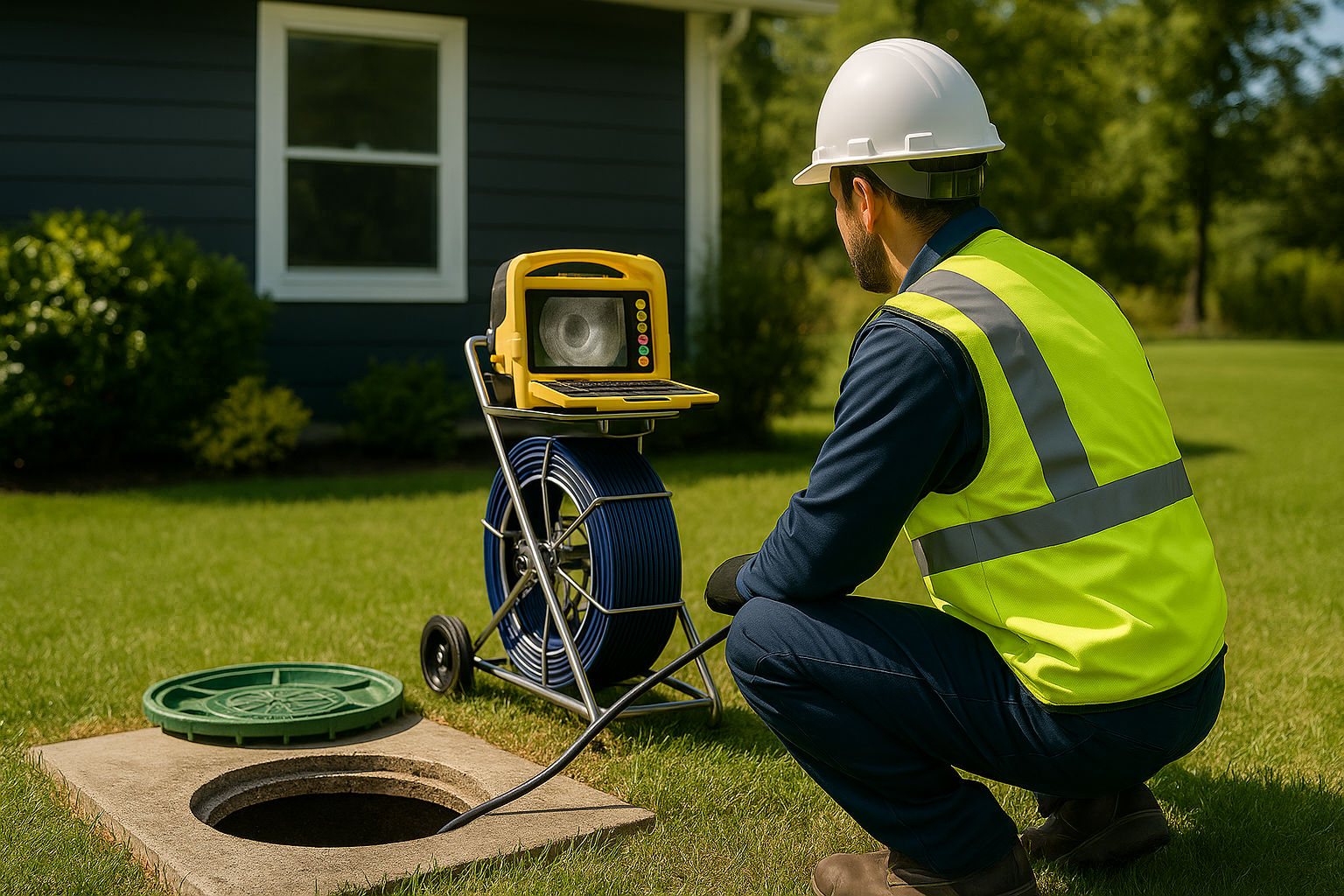
I rely on camera inspections to understand what’s really happening underground.
What I Often Find During Septic Inspections
Some of the most common issues I encounter include:
Septic tanks that have lost structural integrity due to age, corrosion, or improper installation
Missing, damaged, or malfunctioning baffles and outlet filters, which can allow solids to enter the drainfield
Cracked or misaligned pipes between the house, tank, and drainfield
Drainfields that are plugged, damaged, undersized, or at the end of their service life
Systems that were adequate years ago but are no longer suitable for the current household size or usage
Many of these problems don’t immediately cause backups or obvious failures — but they often lead to expensive repairs or full system replacement down the road.
Matching the System to the Home and the Family
One of the most important parts of a septic inspection is determining whether the existing system actually matches the needs of the home.
I regularly see situations where:
A home has been expanded
The number of bedrooms has increased
Usage patterns have changed over time
If the septic system wasn’t designed for that level of use, it may be under stress even if it hasn’t failed yet. Buyers and homeowners need to know whether the current setup is appropriate — or whether problems are likely in the future.
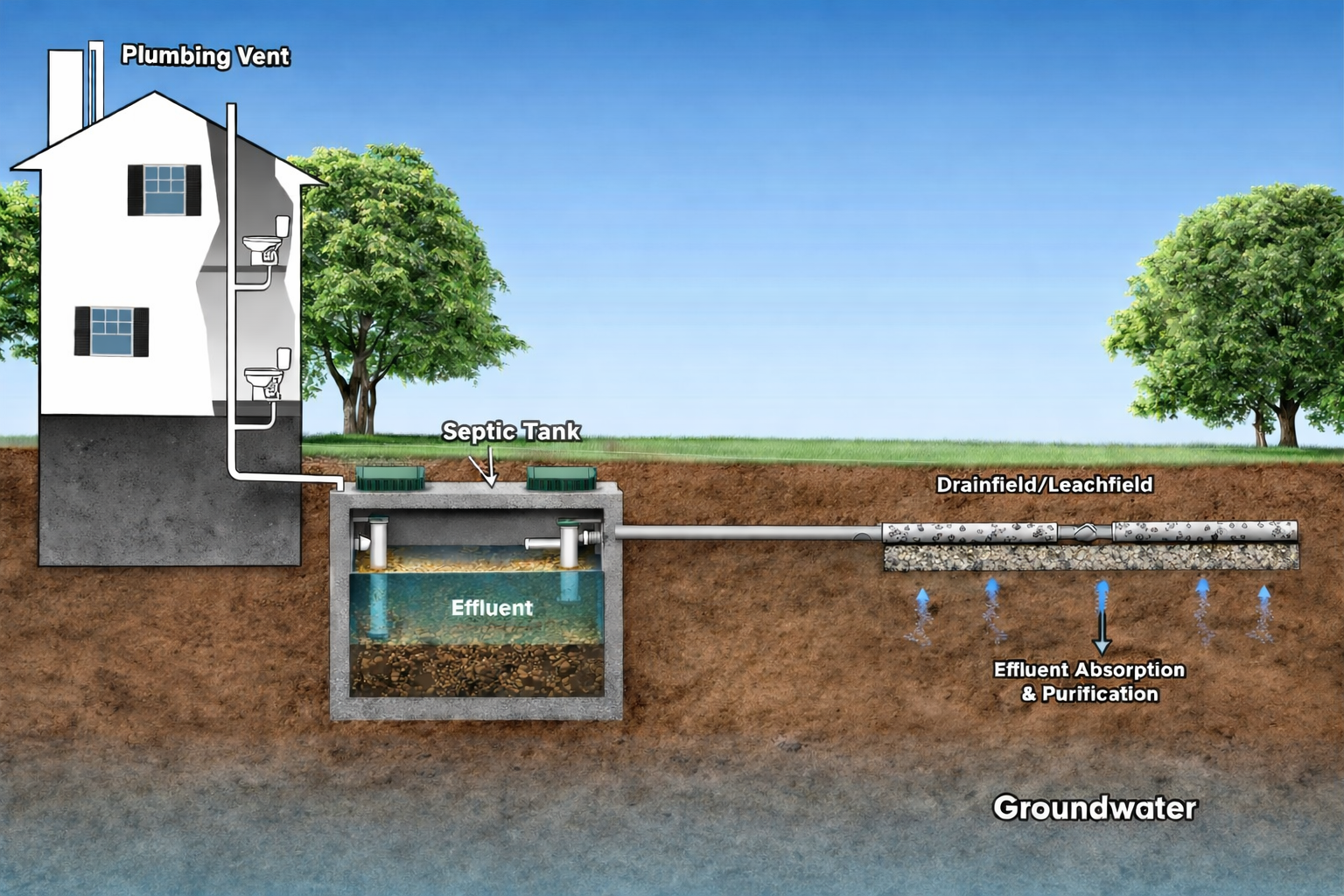
A typical septic system — from the house to the tank to the drainfield.
Compliance and Regulations Matter
Septic systems must also meet current regulations. Older systems may not meet today’s standards, and that can become a serious issue during property transfers, renovations, or repairs.
A proper inspection helps confirm whether:
The system is compliant
Modifications have been done correctly
There are red flags that could create regulatory or financial issues later
When Septic Inspections Become Legal Issues
In some cases, the consequences of skipping or misunderstanding a septic inspection go far beyond inconvenience.
I have been hired as a professional expert in court cases involving disputes between buyers and sellers where septic system expectations were not met. In these situations, miscommunication — and in some cases potential dishonesty — led to major disruptions, unexpected expenses, and significant stress for everyone involved.
Those situations are difficult, costly, and often preventable with proper inspection, clear communication, and realistic expectations upfront.
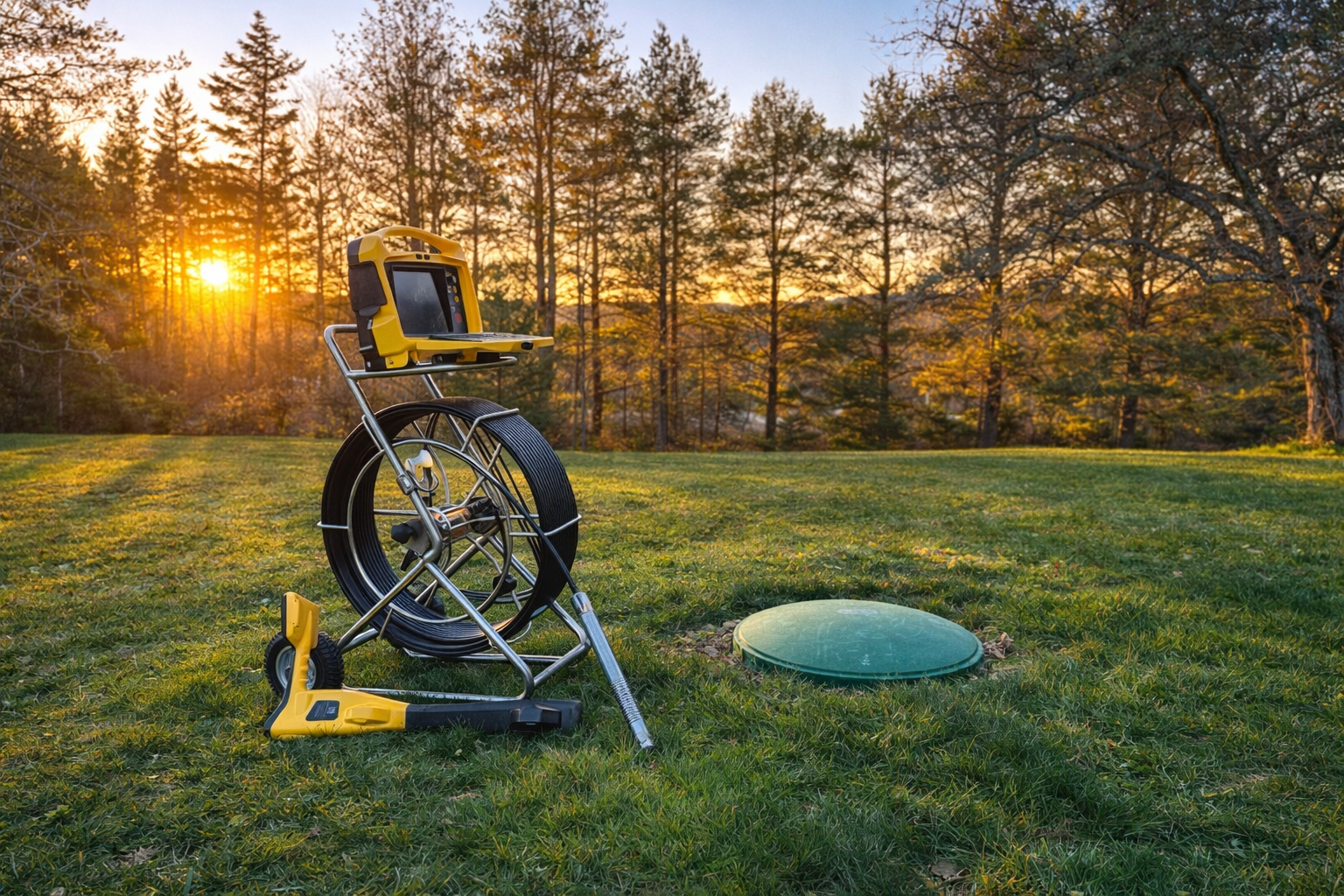
The right tools make all the difference when it comes to understanding what’s underground.
Municipal Sewer vs. Septic Systems
While municipal sewer inspections are also important, septic systems require a more comprehensive approach because the homeowner is responsible for the entire system — tank, pipes, and drainfield.
With septic systems, there is no city infrastructure absorbing risk. What’s underground belongs to the homeowner, and repairs or replacement can be significant if problems are discovered too late.
Peace of Mind Comes From Knowing
At the end of the day, septic inspections aren’t about fear or worst-case scenarios — they’re about peace of mind.
Knowing the condition of your septic system allows you to:
Make informed decisions
Avoid unpleasant surprises
Plan for the future
Protect a major investment
Whether you’re buying a home or maintaining one in Antigonish, Guysborough, or the surrounding area, a professional septic inspection gives you clarity and confidence about a system you rely on every day but rarely see.
If you have questions or would like to schedule an inspection, I’m always happy to talk things through and explain what I’m seeing. Peace of mind starts with knowing what’s underground.
- Mark